
Bipolar Type 2 Disorder: Symptoms, Diagnosis, and Treatment Guide


In my clinical practice, patients often arrive feeling exhausted and deeply misunderstood. They may have spent years receiving treatment for standard depression, only to find that their emotional rollercoaster never truly stops. When we finally discuss bipolar type 2, there is often a moment of profound relief mixed with fear.
The media frequently portrays bipolar disorder through the extreme lens of full-blown mania. Because of this, bipolar II is sometimes dangerously mislabeled as “soft bipolar.” Let me be clear: there is nothing “soft” or easy about bipolar II.
It is a complex, biologically driven mood disorder that requires precise clinical attention. If you or a loved one is navigating these confusing shifts between profound sadness and sudden, wired energy, this guide will help clarify the symptoms, the science, and the path to stability.
What is bipolar II disorder?
Bipolar II is diagnosed when a person experiences recurring episodes of profound depression paired with episodes of hypomania. It is distinctly different from unipolar depression, where a person only experiences emotional “lows.”
What truly differentiates bipolar II from other classifications in the bipolar spectrum is the specific nature of its “highs.” Patients do not experience full-blown mania. Instead, they experience hypomania—a milder yet still highly disruptive state of elevated energy and mood.
Because the “highs” do not typically lead to hospitalization or psychosis, many people assume the disorder is less severe. However, the depressive episodes in bipolar II are notoriously intense, long-lasting, and debilitating, making it a very serious condition.
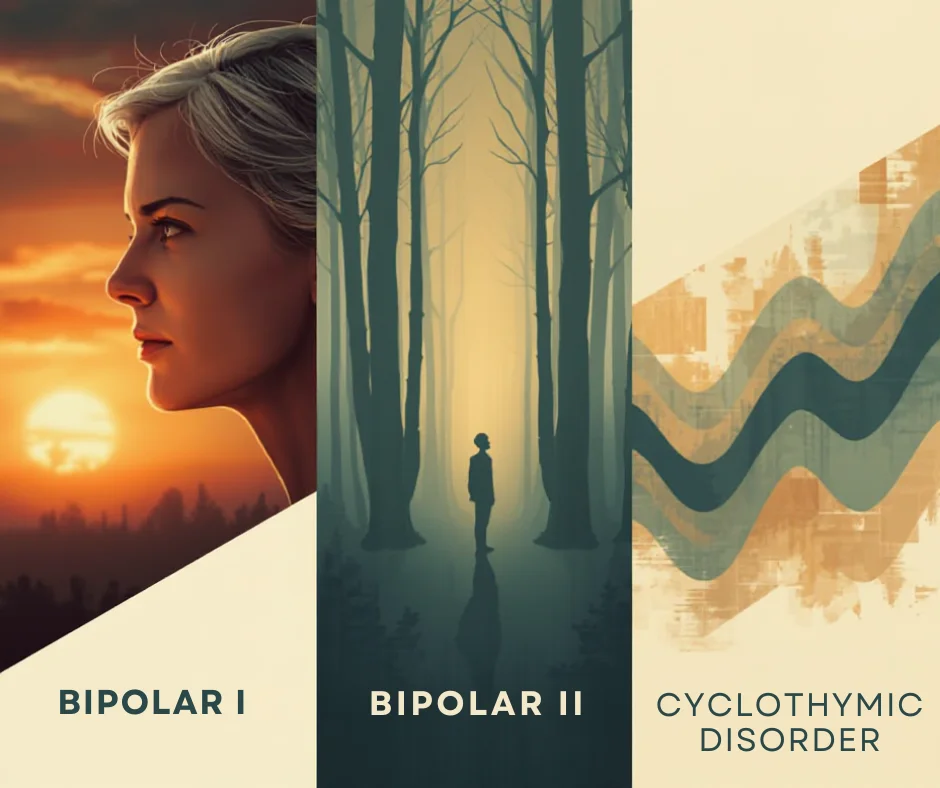
Bipolar I vs. Bipolar II

It is crucial to understand the clinical distinctions between the types of bipolar disorders to ensure accurate treatment. The key difference lies in the severity of the elevated mood states: mania versus hypomania.
- Bipolar I Disorder: The individual has experienced at least one episode of full mania. Mania is a severe high mood that significantly impairs daily functioning and may involve psychosis (delusions or hallucinations). Hospitalization is frequently required.
- Bipolar II Disorder: The individual experiences both hypomanic and depressive episodes. They have never experienced full mania or psychotic symptoms during a high.
To make the distinction clearer, here is a breakdown of how the elevated states differ:
| Feature | Mania (Bipolar I) | Hypomania (Bipolar II) |
| Duration | Lasts at least 7 days (or any duration if hospitalized). | Lasts at least 4 consecutive days. |
| Impairment | Severe impairment in social and occupational functioning. | Noticeable change in behavior, but functioning is often maintained. |
| Psychosis | Can include hallucinations or delusions. | Never includes psychotic symptoms. |
Bipolar 2 Symptoms
The symptoms of bipolar II can be highly confusing because they swing between two opposite ends of the emotional spectrum. Patients often tell me they feel like two entirely different people depending on the week.
Symptoms of Hypomania
During a hypomanic episode, the person experiences a noticeable shift from their baseline. They can usually still go to work and socialize, but their energy is highly elevated. You might feel:
- Unusually self-confident or grandiosely optimistic.
- A “flight of ideas,” where your thoughts race faster than you can speak.
- More talkative or pressured to keep talking without pausing.
- Highly distractible and unable to focus on a single task.
- A massive boost in goal-directed energy (e.g., obsessively organizing a home or starting new businesses).
- Completely rested after only a few hours of sleep.
- Prone to risky behaviors, such as sudden overspending or impulsive decisions.
Symptoms of Depression
The depressive episodes in bipolar II are just as severe as any major depressive disorder. Symptoms can drag on for weeks or months and include:
- Profound, unshakable sadness and low energy.
- Complete loss of pleasure in activities you usually love.
- Feelings of worthlessness or excessive guilt.
- Changes in appetite and sleep patterns (sleeping too much).
What Causes Bipolar Type 2?
When newly diagnosed, my patients almost always ask, “Why did this happen to me?” It is vital to understand that bipolar 2 is a biological and neurological condition, not a flaw in your character. It is caused by a multifaceted puzzle of biological and environmental factors.
Genetic Architecture
Genetics is the strongest predictor. If a first-degree relative has the condition, your risk increases. It is “polygenic,” resulting from variations across hundreds of genes that govern mood regulation.
Neurotransmitter Dysregulation
The brain’s chemical messengers are imbalanced. During hypomania, the brain is hyper-responsive to dopamine and norepinephrine. During depression, serotonin levels plummet.
Structural Brain Differences
Neuroimaging shows differences in the brains of those with bipolar II. The amygdala (the fear center) is often hyper-reactive, and white matter connectivity may have “communication leaks,” causing emotional instability.
Circadian Rhythm Disruption
People with bipolar II have a highly sensitive internal clock. A single night of poor sleep or a change in seasons can act as a biological trigger for a mood episode.
Environmental Stress and Trauma
Genetics may load the gun, but the environment pulls the trigger. High-stress events—like trauma, grief, or major life changes—can cause a permanent shift in how a vulnerable nervous system reacts.
What Does Bipolar Type 2 Feel Like?
For many, bipolar II feels like emotional whiplash. Because hypomania doesn’t cause a total break from reality, it often masks itself as “high-functioning.” You might feel a buzzing energy and believe you are finally “cured” of your depression.
However, this energy is often brittle and can quickly turn into profound agitation. The subsequent “crash” into depression is agonizing. You are left dealing with the consequences of your hypomanic phase—drained bank accounts or strained relationships—with zero energy to fix them.
In my practice, I frequently see patients, particularly women, who seek help only during their depressive crashes. Because hypomania feels “good” or “productive,” they rarely report it to doctors. This is exactly why bipolar II is so often misdiagnosed as standard unipolar depression.
It requires a clinician to dig deeply into the patient’s past to uncover those hidden periods of decreased sleep and elevated energy.
The Diagnostic Framework
Diagnosing bipolar II is a meticulous process of tracking behavioral patterns over time. Because there is no blood test, we rely on clinical criteria and thorough life charting.
Therapists often use the DIG FAST acronym to identify hypomania:
- Distractibility
- Indiscretion (risky behaviors)
- Grandiosity
- Flight of ideas
- Activity increase
- Sleep need decreases
- Talkativeness
We must also rule out other conditions that mimic bipolar symptoms, such as ADHD, borderline personality disorder (BPD), or thyroid dysfunction.
Treatment Options for Bipolar II

Treatment is rarely a one-size-fits-all solution; it often requires patience and trial and error. The foundation of medical treatment involves mood stabilizers (like Lamictal, Lithium, or Depakote) to prevent the hypomanic spikes.
Antidepressants must be used very cautiously, if at all, because they can accidentally trigger a hypomanic episode if not paired with a mood stabilizer.
Medication is essential, but it is not the only tool. Psychotherapy—such as cognitive behavioral therapy (CBT) or interpersonal and social rhythm therapy (IPSRT)—is highly recommended. Therapy helps you identify early warning signs of an episode, manage stress, and repair relationships strained by mood swings.
The Myth of the “Beneficial” High
Some literature, such as Dr. John Gartner’s views, suggests that hypomania can be an asset, driving entrepreneurial zeal and creativity. While it is true that many brilliant minds have navigated bipolar symptoms, romanticizing the disorder is highly dangerous.
You might accomplish a massive amount of work during a hypomanic high, but the inevitable depressive crash will halt that progress entirely. The risks of impulsive behavior and the devastating toll of depression far outweigh the fleeting benefits of a high-energy phase.
Do not ignore the need for treatment simply because you enjoy the hypomania. Bipolar II is a progressive disorder; without intervention, the mood episodes generally become more frequent and more severe over time. With the right medical team, therapy, and routine, however, you can absolutely achieve long-term stability and reclaim your peace of mind.
Frequently Asked Questions
What is the main difference between bipolar I and bipolar II?
The primary distinction is the severity of the “up” mood. Bipolar I involves full mania, which often requires hospitalization and can include psychosis. Bipolar II involves hypomania, a less severe high that does not include psychosis or require hospitalization, paired with intense depression.
Is bipolar II genetic?
Yes, genetics plays a significant role. Having a first-degree relative with the disorder increases your risk. However, it is a polygenic condition, meaning it is influenced by many genes interacting with environmental stressors rather than a single “bipolar gene.”
Why is bipolar II more common in women?
While bipolar I affects genders equally, bipolar II is more frequently diagnosed in women. In women, the depressive episodes tend to dominate the clinical picture, which unfortunately often leads to an initial misdiagnosis of standard unipolar depression.
Can people with bipolar II live a normal life?
Absolutely. With a combination of the right mood-stabilizing medication, consistent therapy, and healthy lifestyle habits (like strict sleep hygiene), many people with bipolar II maintain successful careers and healthy relationships.
How do I know if I’m hypomanic or just in a good mood?
A good mood feels like you; hypomania feels like a “buzzing” or “wired” version of you. Key signs include needing significantly less sleep to feel rested, talking faster than usual, and engaging in impulsive activities that are out of character for you.
Conclusion
Bipolar II disorder is a complex journey of “emotional whiplash” that requires a nuanced, expert approach to manage. It is a condition that exists in the subtle spaces between high-functioning energy and debilitating despair. If you have spent years feeling like your moods are a mystery, please know that your experience is valid and your symptoms have a biological basis.
As a psychologist, I have seen firsthand that a diagnosis is not a life sentence—it is a roadmap. By separating your identity from the illness and utilizing the tools of modern psychiatry and psychotherapy, you can bridge the gap between the highs and lows.
You don’t have to navigate these cycles alone. With the right support system and a commitment to stability, it is entirely possible to lead a balanced, fulfilling, and creative life.
Authoritative References
- National Institute of Mental Health (NIMH)—Bipolar Disorder
- American Psychiatric Association (APA)—What Are Bipolar Disorders?
- National Center for Biotechnology Information (NCBI)—Bipolar II Disorder: A Review
- American Psychological Association (APA)—Clinical Practice Guideline for the Treatment of Bipolar Disorder
Related Posts





Subscribe to Our Newsletter
Get mental health tips, updates, and resources delivered to your inbox.
MORE from Author
Read More In my practice as a clinical psychologist, I often observe that the difference between a patient who crumbles under pressure…
 We all have "up" days and "down" days. Perhaps you feel energized after a promotion or sluggish on a rainy…
 To define bipolar disorder accurately, we must look at it as a chronic mood dysregulation condition. In psychology and medicine,…
 To answer whether bipolar fits the bill, we first have to define what a neurodivergent person actually is. The term…
Are you looking for a Therapist?
Connect with qualified mental health professionals who understand
bipolar disorder, mood changes, and emotional challenges.
Private • Supportive • Confidential